Savoring the Flavors of the World: A Journey Through Global Cuisines

Food is a universal language, connecting people across cultures and continents. Each dish tells a story, reflecting the history, geography, and traditions of the people who create it. From the spicy curries of India to the delicate sushi of Japan, global cuisines offer a vast array of flavors, textures, and techniques that invite exploration and appreciation. This article embarks on a culinary journey through some of the world’s most fascinating cuisines, showcasing their unique ingredients, cooking methods, and cultural significance.

Let’s start with Italian cuisine, a favorite for many around the world. Known for its emphasis on fresh, high-quality ingredients, Italian cooking has deep roots in regional traditions. Classic dishes like pasta, risotto, and pizza are not merely meals; they are a celebration of local produce and time-honored techniques. For instance, the northern regions often utilize rice for creamy risottos, while southern Italy is famous for its tomato-based sauces. Ingredients such as olive oil, garlic, and herbs like basil and oregano create layers of flavor that define Italian dishes.

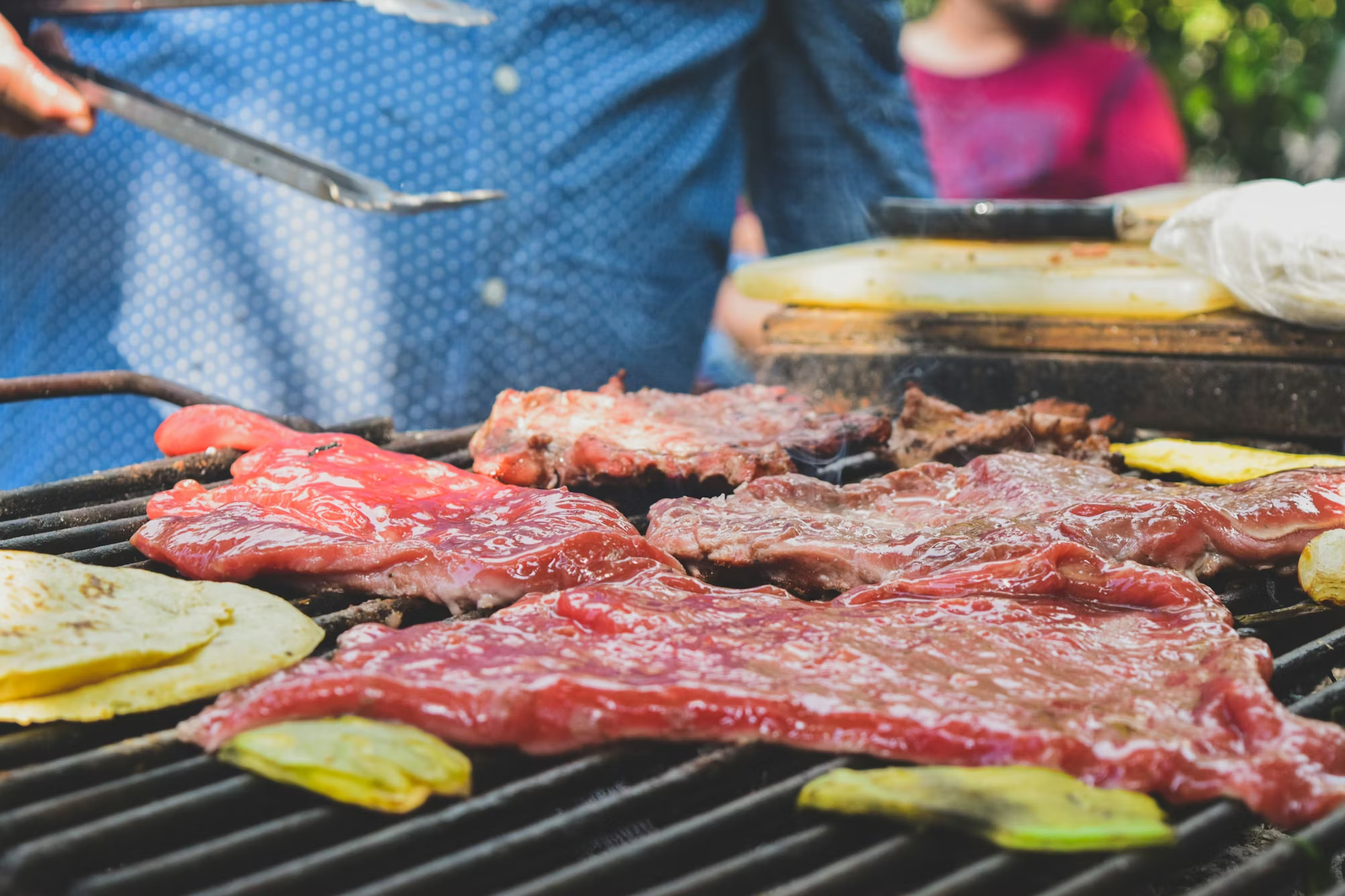
Next, we travel to the vibrant streets of Mexico, where food is a crucial part of daily life and celebrations. Mexican cuisine is renowned for its bold flavors and rich history, influenced by indigenous cultures and Spanish colonization. Tacos, enchiladas, and mole sauce exemplify the diverse ingredients found in Mexican cooking, such as corn, beans, and a variety of chilies. The use of fresh herbs like cilantro and spices like cumin adds depth and warmth to each dish. Celebrations like Día de los Muertos highlight the cultural significance of food, as families gather to honor loved ones with traditional dishes and sweet treats.

Moving to Asia, we find ourselves immersed in the culinary delights of Thailand. Thai cuisine is celebrated for its balance of sweet, sour, salty, and spicy flavors. The famous dish Pad Thai, made with stir-fried rice noodles, shrimp, and peanuts, showcases the harmonious blend of flavors that Thai cooking is known for. Ingredients like lemongrass, fish sauce, and chili peppers create vibrant dishes that are both complex and satisfying. Street food plays a significant role in Thai culture, where vendors serve delicious snacks and meals, reflecting the country’s culinary creativity and passion.

Japanese cuisine, with its emphasis on seasonality and presentation, offers a different perspective on cooking. The concept of “umami,” often described as the fifth taste, is central to many Japanese dishes. Sushi, sashimi, and ramen are just a few examples of how ingredients are prepared with precision and care. Fresh fish, high-quality rice, and seasonal vegetables come together to create meals that are not only delicious but also visually appealing. The traditional Japanese tea ceremony further emphasizes the importance of food as a cultural practice, highlighting mindfulness and appreciation for simplicity.

In the heart of the Middle East, we discover a tapestry of flavors that reflects the region’s rich history and cultural diversity. Dishes like falafel, hummus, and kebabs showcase the use of fresh herbs, spices, and legumes. The vibrant flavors of za’atar, sumac, and cumin are commonly used, providing depth to each dish. Shared meals are an integral part of Middle Eastern culture, often enjoyed with family and friends, emphasizing the importance of hospitality and community. Traditional gatherings often feature mezze, a selection of small dishes that encourage sharing and conversation.

Exploring the cuisines of Africa reveals an incredible variety of flavors and ingredients that vary from region to region. In West Africa, for example, dishes often center around staples like rice, yams, and cassava, flavored with spices such as ginger and chili. Jollof rice, a one-pot dish made with tomatoes, onions, and spices, is a beloved staple at celebrations. In North Africa, tagines—slow-cooked stews—are infused with spices like saffron and cinnamon, often served with couscous. The communal nature of dining in African cultures fosters a sense of togetherness and celebration.

As we explore global cuisines, it’s essential to recognize the impact of globalization on food. The exchange of ingredients and techniques has led to exciting fusions and adaptations of traditional dishes. For example, Korean barbecue has gained popularity worldwide, inspiring restaurants to incorporate Korean flavors into various culinary styles. Similarly, the rise of fusion cuisine has encouraged chefs to experiment, creating unique dishes that reflect a blend of cultures. This cross-pollination of culinary traditions enriches the food landscape, inviting us to experience diverse flavors in new ways.

Furthermore, food sustainability and ethical sourcing have become increasingly important in today’s culinary world. Many chefs and home cooks are prioritizing local, seasonal ingredients, reducing their carbon footprint, and supporting local farmers. This conscious approach to cooking not only enhances flavor but also fosters a connection to the land and the communities that cultivate it. The farm-to-table movement has gained momentum, encouraging diners to appreciate the origins of their food and the stories behind it.

In conclusion, the exploration of global cuisines reveals a rich tapestry of flavors, traditions, and cultural significance. From the comforting dishes of Italy to the vibrant street food of Mexico, each cuisine offers a unique perspective on the art of cooking. As we celebrate the diversity of flavors, we recognize the connections that food creates, fostering a sense of community and shared experiences. Whether we are savoring a traditional recipe or indulging in a modern fusion dish, the journey through global cuisines invites us to appreciate the beauty and creativity of culinary traditions around the world.


Exploring the Flavors of Mexican Street Food

Mexican street food is a culinary adventure that tantalizes the senses, offering a rich tapestry of flavors, textures, and aromas. It embodies the spirit of Mexico, where food is not just sustenance but an integral part of social life and cultural identity. From bustling markets to street vendors on every corner, the vibrant world of Mexican street food invites locals and visitors alike to indulge in an array of delicious offerings. In this article, we will explore the diverse types of street food, their cultural significance, and the stories behind some of the most beloved dishes.

At the heart of Mexican street food is the taco, a simple yet versatile creation that comes in countless variations. Traditionally made with corn tortillas, tacos are filled with a variety of ingredients, showcasing regional flavors and ingredients. From the rich, slow-cooked carnitas of Michoacán to the spicy tacos al pastor of Puebla, each taco tells a story of its origin and the cultural influences that shape it. The art of making tacos is often passed down through generations, reflecting the culinary traditions of families and communities.

Another iconic street food dish is the elote, or Mexican street corn. Grilled to perfection, elote is slathered with mayonnaise, cheese, chili powder, and lime juice, creating a delightful explosion of flavors. This beloved snack is often enjoyed at fairs and street festivals, where vendors skillfully prepare it before eager crowds. The combination of sweet corn and savory toppings encapsulates the essence of Mexican street food: bold, flavorful, and meant to be shared.

As we traverse the streets of Mexico, we encounter a plethora of other snacks and meals that showcase the country’s culinary diversity. Tamales, for instance, are a staple of Mexican cuisine, made from masa (corn dough) filled with meats, cheeses, or sweet fillings, wrapped in corn husks and steamed. Each region has its own take on tamales, with different fillings and preparation methods. They are often enjoyed during celebrations, family gatherings, and holidays, symbolizing unity and tradition.

Quesadillas, another popular street food, feature tortillas filled with melted cheese and various ingredients such as mushrooms, squash blossoms, or chicharrón (fried pork skin). The beauty of quesadillas lies in their simplicity and adaptability, making them a favorite for quick meals or snacks. Street vendors often serve them hot off the grill, accompanied by salsas that range from mild to fiery, enhancing the overall experience.

Sopes and gorditas are also noteworthy mentions in the street food scene. Sopes are thick corn tortillas topped with refried beans, meat, lettuce, cheese, and salsa, while gorditas are stuffed tortillas filled with a variety of ingredients. Both dishes exemplify the creativity of Mexican street food, where each bite is a celebration of flavors and textures. The use of fresh ingredients and vibrant toppings elevates these dishes, making them favorites among locals and tourists alike.

The cultural significance of street food in Mexico extends beyond mere taste; it serves as a reflection of the country’s history and social fabric. Street food vendors often represent the backbone of local economies, providing livelihoods for families and preserving culinary traditions. Many vendors have honed their craft over decades, creating recipes that have been cherished by generations. This connection to family and community imbues each dish with a sense of history and belonging.

In addition to tacos and elote, another beloved street food is tostadas, which are crispy corn tortillas topped with a variety of ingredients, such as shredded chicken, beef, or ceviche. Tostadas are versatile and can be customized to suit individual preferences, making them a popular choice for street food lovers. They are often served with a side of guacamole and fresh salsa, adding layers of flavor to each bite.

Churros, the sweet counterpart to savory street food, are a must-try treat. These deep-fried dough pastries are coated in sugar and often served with chocolate dipping sauce. Churros can be found at street stalls and markets, offering a delightful way to satisfy a sweet tooth while on the go. Their crispy exterior and soft, warm interior create a comforting indulgence, perfect for any time of day.

The dynamic nature of Mexican street food means that new trends and flavors are constantly emerging. As culinary innovation flourishes, many street vendors are experimenting with fusion dishes that blend traditional Mexican flavors with international cuisines. For example, korean tacos, which combine Korean-style fillings with traditional taco elements, have gained popularity in urban areas, showcasing the adaptability and creativity of Mexican street food culture.

The atmosphere surrounding street food in Mexico is just as vibrant as the food itself. Street markets and food fairs are often lively spaces filled with laughter, music, and the enticing aroma of grilling meats and spices. These communal spaces foster connections among people, as they come together to enjoy delicious food, share stories, and celebrate their cultural heritage. The experience of eating street food is not just about the food; it’s about the moments spent with friends and family, creating memories that last a lifetime.

In addition to the flavors and experiences, Mexican street food also plays a significant role in the country’s culinary identity on the global stage. As Mexican cuisine gains recognition and appreciation worldwide, street food has emerged as an essential component of this narrative. Food festivals and culinary events often feature street food vendors, showcasing their unique creations and elevating the status of this humble cuisine.

As we explore the world of Mexican street food, it becomes evident that it is more than just a culinary experience; it is a celebration of culture, community, and creativity. Each dish tells a story, reflecting the rich tapestry of flavors, traditions, and innovations that make up Mexican cuisine. From the bustling streets of Mexico City to the coastal towns of Oaxaca, the vibrant world of street food invites us to savor the beauty of simplicity, the joy of sharing, and the warmth of community.

In conclusion, Mexican street food is a vibrant expression of the country’s culture, history, and community. The diversity of dishes, from tacos to elote, showcases the creativity and resourcefulness of street vendors, who continue to honor tradition while embracing innovation. Each bite is a reminder of the connections we share through food, the stories we pass down, and the joy of coming together to celebrate life’s flavors. So next time you find yourself in the colorful streets of Mexico, take a moment to indulge in the delectable offerings of street food and experience the rich culinary heritage that awaits you.

Exploring the Rich Tapestry of Café Experiences

Cafés are more than just places to grab a quick cup of coffee; they are cultural hubs that enrich our lives with a variety of experiences. The café landscape is diverse, reflecting the tastes and preferences of the communities they serve. From coffee shops bustling with conversation to quiet book cafés that invite reflection, each type of café offers something special. In this article, we will explore the different styles of cafés, their unique offerings, and how they foster connections among patrons.

Coffee shops are often the heart of the café experience. These establishments focus primarily on serving high-quality coffee drinks, from classic espressos to trendy cold brews. The aroma of freshly ground coffee beans fills the air, creating an inviting atmosphere that beckons both regulars and newcomers. Many coffee shops also offer a selection of pastries and light snacks, turning them into go-to spots for breakfast or a quick afternoon pick-me-up.

The ambiance in coffee shops can vary widely. Some are cozy, featuring comfortable seating, warm lighting, and soft music, perfect for reading or working on a laptop. Others are designed for social interaction, with communal tables that encourage conversation and connection. This flexibility allows coffee shops to cater to a diverse clientele, from students seeking a quiet study space to friends catching up over a cup of joe.

In recent years, the third-wave coffee movement has significantly influenced coffee shops, emphasizing artisanal methods and high-quality beans. Baristas often take pride in their craft, offering tastings and brewing workshops that educate patrons about different coffee origins and preparation techniques. This focus on quality not only enhances the coffee experience but also fosters a deeper appreciation among consumers.

Next, we turn our attention to bakery cafés, where the passion for baked goods takes center stage. These cafés specialize in an array of freshly baked items, including breads, pastries, cakes, and cookies. The sight and smell of delicious treats create a warm and inviting atmosphere that draws customers in. Many bakery cafés emphasize using locally sourced ingredients, supporting local farmers and contributing to the community’s economy.

The environment in bakery cafés is typically one of comfort and cheer, making them perfect for leisurely breakfasts or afternoon breaks. With a wide range of offerings paired with coffee or tea, bakery cafés invite patrons to linger and savor their treats. The communal aspect of sharing baked goods encourages social interaction, making these cafés cherished gathering places for families, friends, and coworkers alike.

In a digital age where connectivity is key, internet cafés have emerged as unique spaces that blend work and leisure. These establishments provide patrons with access to computers and high-speed internet, making them ideal for students or remote workers. With comfortable seating and a relaxed atmosphere, internet cafés create an environment conducive to productivity while allowing for social interaction.

While patrons focus on their tasks, they can enjoy a variety of beverages and light snacks. This combination of functionality and comfort enhances the overall experience, appealing to individuals who may not have access to reliable internet at home. As such, internet cafés serve as vital resources in many communities, providing not just connectivity but also a space for socialization.

For those who cherish the written word, book cafés offer an enchanting escape into the world of literature. These cafés often feature bookshelves filled with a curated selection of titles, creating a cozy nook for reading and reflection. Comfortable seating arrangements encourage patrons to settle in with a good book or engage in discussions about their latest literary finds.

Many book cafés also host events such as author readings, book signings, and literary discussions, fostering a sense of community among book lovers. This engagement transforms the café into a cultural hub where literature and social interaction intertwine. The warm atmosphere and shared love for books create lasting connections among patrons, making book cafés treasured destinations for those who appreciate literature.

Art cafés add another layer to the café experience by showcasing local artists and their creations. These spaces often feature rotating exhibitions of paintings, sculptures, and other art forms, creating an inspiring ambiance that stimulates creativity. Patrons can sip their coffee while admiring the art, making it an immersive experience that celebrates local talent.

In addition to showcasing artwork, many art cafés host workshops, open mic nights, and creative events, encouraging patrons to engage with the arts in a hands-on way. By providing a platform for artists to share their work and interact with the community, art cafés become essential cultural centers that promote creativity and collaboration among locals.

For pet lovers, pet-friendly cafés provide a delightful space to enjoy their favorite drinks alongside their furry companions. These cafés often offer special amenities for pets, including water bowls and treats, ensuring a welcoming environment for both humans and animals. Some even feature resident pets that patrons can interact with, adding a playful dynamic to the café experience.

The pet-friendly café concept fosters community among animal lovers, allowing them to bond over their shared affection for pets. This unique blend of social interaction and pet companionship creates an atmosphere of warmth and joy, making pet-friendly cafés beloved spots for those who cherish their four-legged friends.

As health consciousness continues to rise, organic and health-focused cafés have gained traction among patrons seeking nutritious options. These cafés emphasize organic ingredients, locally sourced produce, and healthy meal choices, including salads, smoothies, and vegan or gluten-free items. By focusing on quality and sustainability, these cafés resonate with consumers who prioritize their health and well-being.

The menus at organic cafés often reflect seasonal produce, providing a dynamic dining experience that changes throughout the year. This emphasis on health and wellness makes organic cafés not just places to eat but also hubs for mindful living and community engagement. The commitment to offering nourishing options aligns with the growing trend of wellness in modern society, making these cafés essential in promoting healthier lifestyles.

Theme cafés introduce an element of creativity and whimsy, often centered around specific concepts or ideas. From retro-themed cafés that evoke nostalgia to board game cafés that invite patrons to engage in playful competition, these unique spaces offer memorable experiences. Some theme cafés even embrace seasonal concepts, such as Halloween or Christmas, creating immersive environments that delight guests.

The décor, menus, and activities in theme cafés align with their chosen themes, providing patrons with an experience that transports them to another world. This whimsical approach allows cafés to stand out, offering guests a chance to enjoy their favorite beverages in a fantastical setting, fostering a sense of wonder and enjoyment.

Finally, community cafés serve as vital gathering spots that foster social interaction and networking. These cafés actively engage with their local communities, hosting events, workshops, and fundraisers that bring people together. By creating an inclusive environment, community cafés help build connections among patrons, enriching the social fabric of their neighborhoods.

The warm atmosphere of community cafés encourages patrons to interact with one another, whether through participating in events or simply striking up a conversation at a shared table. This focus on building connections makes community cafés beloved gathering places where friendships are formed, ideas are exchanged, and community spirit thrives.

In conclusion, cafés have become integral to community life, offering unique spaces for connection, creativity, and culture. From bustling coffee shops to serene book cafés, each type of café contributes to the vibrant tapestry of local culture. As the café scene continues to evolve, these establishments will remain vital hubs that foster community engagement and enhance our experiences, one cup at a time.

Exploring the World of Artisan Cheeses: A Culinary Adventure

Cheese has been a staple in many cultures for centuries, celebrated for its flavors, textures, and versatility. Among the vast array of cheese options available, artisan cheeses stand out for their craftsmanship and unique qualities. This article takes you on a journey through the world of artisan cheeses, exploring their origins, types, and the art of pairing them with food and wine.

The Craft of Artisan Cheese Making

Artisan cheese is produced by hand in small batches, emphasizing quality and traditional techniques over mass production. The process begins with high-quality milk, sourced from local farms where animals are often raised in humane conditions. The type of milk used—whether cow, goat, or sheep—greatly influences the cheese’s flavor and texture. After the milk is collected, it undergoes pasteurization or raw processing, followed by the addition of cultures, rennet, and salt.

1. Cultures: These are beneficial bacteria added to the milk to aid fermentation. Different cultures contribute distinct flavors and characteristics to the cheese.

2. Rennet: An enzyme that causes the milk to coagulate, separating it into curds and whey. The type of rennet used can vary, impacting the final product.

3. Salting: Salt not only enhances flavor but also acts as a preservative, influencing the cheese’s texture and aging process.

Once the curds are formed, they are cut, cooked, and molded into various shapes, ready for aging. Aging, or affinage, is crucial as it develops the cheese’s flavor and texture. This can take anywhere from a few weeks to several years, resulting in a diverse range of cheeses.

Types of Artisan Cheeses

Artisan cheeses come in various styles, each with its unique characteristics. Here are some popular types:

1. Soft Cheeses
Soft cheeses, like Brie and Camembert, are creamy and have a high moisture content. They are often characterized by their bloomy rinds, formed by molds during aging. These cheeses are perfect for spreading on crusty bread or pairing with fruits and nuts.

2. Semi-Hard Cheeses
Cheeses like Gouda and Gruyère fall into this category. They have a firmer texture and are often aged longer, which enhances their flavor. These cheeses are great for melting, making them ideal for sandwiches and fondue.

3. Hard Cheeses
Parmesan and Pecorino Romano are examples of hard cheeses that are aged for long periods, developing a rich, intense flavor. They are often grated over pasta dishes or enjoyed in small wedges with a glass of wine.

4. Blue Cheeses
With their distinct blue veins, cheeses like Roquefort and Gorgonzola are known for their strong flavors and creamy textures. They can be crumbled over salads or enjoyed with honey and crackers for a delightful contrast.

The Cultural Significance of Cheese

Cheese holds a special place in many cultures around the world. In Europe, for instance, cheese is often served as part of a meal, a snack, or even a dessert. Each country has its unique cheese varieties that reflect local traditions and agricultural practices.

1. France: Known for its incredible diversity, France boasts over 1,000 cheese varieties, each tied to specific regions. From creamy Camembert in Normandy to sharp Roquefort in the south, French cheeses are often enjoyed with baguettes and wines.

2. Italy: Italian cheeses are integral to the nation’s culinary identity. Parmigiano-Reggiano, known as the “King of Cheeses,” is a staple in Italian cooking, while mozzarella is essential for pizza and caprese salads.

3. Spain: In Spain, cheese like Manchego and Cabrales play a vital role in tapas culture, often served alongside cured meats and olives. Cheese tastings are a beloved tradition in many Spanish regions.

4. Greece: Feta cheese is a hallmark of Greek cuisine, commonly used in salads, pastries, and as a table cheese. Its crumbly texture and tangy flavor make it a favorite in many Mediterranean dishes.

The Art of Pairing Cheese with Food and Wine

Pairing cheese with the right foods and wines can elevate your culinary experience. Here are some tips for creating perfect pairings:

1. Wine Pairings: Different cheeses complement different wines. For instance, a rich Brie pairs beautifully with a fruity Chardonnay, while a sharp blue cheese can be delightful with a sweet dessert wine like Sauternes.

2. Fruit and Nuts: Fresh fruits, dried fruits, and nuts can enhance the flavors of cheese. Apples, pears, and figs work well with creamy cheeses, while almonds and walnuts complement harder varieties.

3. Bread and Crackers: Serving cheese with a variety of breads and crackers adds texture to your tasting experience. Consider crusty baguettes, crispbread, or artisan crackers for a delightful contrast.

4. Charcuterie: Cheese boards featuring a selection of cured meats, olives, and pickles create a well-rounded tasting experience. The savory flavors of charcuterie balance the richness of the cheese, providing a delightful contrast.

Creating Your Own Cheese Board

Crafting a beautiful cheese board can be a fun and rewarding endeavor. Here are some steps to create a stunning presentation:

1. Select a Variety of Cheeses: Choose a mix of soft, semi-hard, hard, and blue cheeses to provide a range of flavors and textures. Aim for three to five different types.

2. Add Accompaniments: Include fresh and dried fruits, nuts, olives, and charcuterie to enhance the flavors of the cheeses.

3. Choose the Right Base: Use a wooden board or marble slab as your base. Arrange the cheeses and accompaniments artfully, leaving space for guests to serve themselves.

4. Provide Tools: Include cheese knives, toothpicks, or small forks to make it easy for guests to enjoy the selections.

5. Garnish: Fresh herbs or edible flowers can add a beautiful touch to your cheese board, making it visually appealing and inviting.

Conclusion: Celebrating the Artisan Cheese Experience

The world of artisan cheeses is rich and diverse, offering a journey through flavors, textures, and cultures. By exploring the various types of cheeses and learning how to pair them with food and wine, you can enhance your culinary repertoire and enjoy the delightful experience of cheese tasting. Whether you are hosting a gathering or simply indulging in a quiet evening at home, artisan cheese can elevate any occasion and invite exploration of the culinary arts.

So gather your favorite cheeses, experiment with pairings, and savor the richness of artisan cheese as you embark on this flavorful adventure.

Decadent Delights: Exploring the World of Rich Desserts

Desserts have a remarkable ability to evoke emotions and create lasting memories. They can transform a simple meal into a celebration and add a touch of sweetness to everyday life. In this article, we will explore a variety of rich desserts from around the world, delving into their origins, flavors, and the joy they bring to those who indulge in them.

Let’s begin our journey in France, a country renowned for its pastry artistry. The classic chocolate mousse is a perfect example of French decadence. Made with simple ingredients—dark chocolate, eggs, sugar, and cream—this dessert is rich yet airy, offering a delightful balance of textures. The process of whipping egg whites to soft peaks creates a lightness that contrasts beautifully with the deep, intense flavor of chocolate. Traditionally served in elegant glasses, chocolate mousse is a staple in French restaurants and a favorite for dinner parties.

Moving to Italy, we encounter the delightful tiramisu, a dessert that embodies the Italian love for coffee and indulgence. Layers of coffee-soaked ladyfingers are interspersed with a rich mascarpone mixture, dusted with cocoa powder. The name tiramisu translates to “pick me up,” reflecting the energizing effect of coffee. This dessert not only showcases the beauty of layering flavors but also highlights the importance of coffee in Italian culture. Preparing tiramisu is often a family affair, with recipes handed down through generations, each adding a personal touch.

In the realm of Middle Eastern desserts, we cannot overlook the exquisite baklava. This sweet pastry consists of layers of phyllo dough filled with chopped nuts and sweetened with honey or syrup. The process of making baklava is labor-intensive, requiring precision and patience. Each bite delivers a satisfying crunch followed by a sticky sweetness that is simply irresistible. Baklava is often enjoyed during festive occasions and gatherings, symbolizing hospitality and generosity. Its rich flavors and flaky texture make it a beloved dessert across various cultures.

As we venture further, the American classic brownie beckons us with its fudgy goodness. Brownies are beloved for their simplicity and versatility. Made with chocolate, butter, sugar, eggs, and flour, they can be customized with nuts, chocolate chips, or even swirls of cream cheese. The texture can vary from cakey to fudgy, appealing to a wide range of preferences. Brownies are often served at parties, picnics, or as a comforting treat at home. Their rich, chocolatey flavor and chewy texture make them a favorite for both children and adults alike.

In Asia, we discover the delightful mochi, a Japanese treat made from glutinous rice that is pounded into a chewy, elastic dough. Mochi can be enjoyed plain or filled with a variety of sweet fillings, such as red bean paste, matcha, or ice cream. The versatility of mochi allows it to be enjoyed in many forms, including mochi ice cream, which has gained popularity worldwide. The unique texture of mochi provides a delightful contrast to the creamy fillings, making it a fun and satisfying dessert option. Mochi is often consumed during celebrations and special occasions, symbolizing good fortune and prosperity.

Next, we travel to the Caribbean to experience the luscious coconut flan. This smooth custard dessert is infused with coconut milk and topped with a caramel sauce. The creamy texture and tropical flavor make coconut flan a refreshing treat, perfect for warm weather. Flan is a traditional dessert in many Latin American cultures, and each country often adds its own twist. The simplicity of the ingredients combined with the rich flavor creates a dessert that feels both comforting and indulgent.

In Russia, we encounter the delightful honey cake, or medovik. This layered cake is made with honey-infused sponge layers and a creamy filling, often made from sour cream or condensed milk. The combination of honey and cream creates a rich, decadent flavor profile that is both sweet and tangy. Medovik is traditionally served during celebrations, with each layer representing the love and care put into its preparation. The cake’s beautiful appearance, with its golden layers and creamy frosting, makes it a stunning centerpiece for any gathering.

Another indulgent dessert worth exploring is the German Schwarzwälder Kirschtorte, or Black Forest cake. This iconic cake is made with layers of chocolate sponge, whipped cream, and cherries, often topped with chocolate shavings. The combination of rich chocolate and tart cherries creates a harmonious balance that is simply delightful. The cake’s name derives from the use of Kirschwasser, a clear cherry schnapps, which adds depth to the flavors. Black Forest cake is a staple at celebrations and a testament to the craftsmanship of German baking.

As we explore further, the Italian panna cotta captures our attention. This creamy dessert, whose name translates to “cooked cream,” is made by simmering cream, sugar, and gelatin. Panna cotta is often flavored with vanilla and served with a fruit coulis or caramel sauce, adding a refreshing touch. Its silky texture and elegant presentation make it a popular choice for dinner parties and special occasions. The beauty of panna cotta lies in its versatility; it can be easily adapted with various flavors and toppings, allowing each chef to put their unique spin on this classic dessert.

We cannot forget about the classic American cheesecake, a dessert that has garnered a devoted following. Rich and creamy, cheesecake can be made with a variety of flavors, from classic New York-style to fruity variations topped with fresh berries. The key to a perfect cheesecake lies in the balance of cream cheese, sugar, and eggs, creating a smooth and velvety texture. Often served at celebrations and gatherings, cheesecake has become a beloved dessert that invites sharing and indulgence.

Lastly, we arrive at the realm of frozen desserts, where the enchanting gelato awaits. Originating from Italy, gelato is denser and creamier than traditional ice cream, made with a higher proportion of milk and less air. The result is a rich, flavorful treat that melts beautifully in your mouth. Gelato comes in a myriad of flavors, from classic pistachio to unique combinations like lavender honey. Its popularity has surged globally, and gelato shops often serve as social hubs, where friends and family gather to enjoy a sweet moment together.

In conclusion, the world of rich desserts is a delightful tapestry of flavors, textures, and cultural significance. Each dessert tells a story, reflecting the traditions and creativity of the people who make them. From the decadent chocolate mousse of France to the chewy mochi of Japan, these desserts bring joy and connection to our lives. As we continue to explore and create these sweet delights, we celebrate the artistry and love that goes into crafting each indulgent bite.

Burgers Around the World: A Culinary Journey

Burgers are a beloved culinary staple, but their interpretation varies significantly across cultures, reflecting local ingredients, traditions, and tastes. This article takes you on a delightful journey through the world of burgers, exploring how different regions have adapted this iconic dish to create unique and flavorful experiences. From the classic American burger to inventive global variations, there’s much to discover.

In the United States, the classic hamburger reigns supreme. Typically made with a juicy beef patty, it is served on a soft bun with toppings such as lettuce, tomato, pickles, and onions. Americans have taken this basic structure and created countless variations. The cheeseburger, for example, adds a slice of melted cheese, enhancing the flavor and texture. Variations like the bacon cheeseburger, piled high with crispy bacon, cater to those seeking a savory experience. The creativity doesn’t stop there; restaurants often feature gourmet burgers with exotic cheeses, artisanal buns, and unique sauces that elevate this simple meal into a culinary masterpiece.

As we travel across the Atlantic to Germany, we encounter the beloved Frikadelle. This dish, often referred to as a meatball, can also be served in a bun, similar to a hamburger. Made from minced meat, bread, and spices, the Frikadelle embodies the German love for hearty, comforting food. Commonly topped with mustard or served alongside sauerkraut, this burger variation highlights the regional preference for bold flavors and rich textures.

In the UK, the iconic Beef Burger has been transformed into the classic pub staple, often served with crispy chips. However, British creativity has given rise to the Lamb Burger, which features succulent lamb patties seasoned with herbs like mint and rosemary. Topped with yogurt sauce or tzatziki, this burger offers a fresh and aromatic twist. Moreover, the rise of plant-based diets has led to the popularization of veggie burgers, made from ingredients like chickpeas, beans, or lentils, showcasing the UK’s commitment to inclusivity in food choices.

Traveling further east, we reach the vibrant culinary scene of India, where the burger takes on a distinctly local flavor. The Vada Pav is a beloved street food featuring a spiced potato fritter, or vada, served in a bun with chutneys and fried green chilies. It captures the essence of Indian street food culture, offering a spicy and satisfying experience. The McAloo Tikki, a potato-based burger from McDonald’s India, further exemplifies how global chains adapt their menus to cater to local tastes, incorporating familiar ingredients and flavors.

In Japan, the Teriyaki Burger showcases the blend of traditional Japanese flavors with the Western burger concept. A grilled chicken or beef patty is glazed with a sweet teriyaki sauce and topped with fresh vegetables, creating a savory and slightly sweet profile. This fusion reflects Japan’s culinary innovation and appreciation for diverse flavors, making the Teriyaki Burger a popular choice in both fast-food and upscale dining settings.

Meanwhile, in South Korea, the Bulgogi Burger offers a delicious twist on the traditional burger. Made with marinated beef, often grilled and served with kimchi, this burger combines the sweetness of bulgogi with the spicy tang of kimchi, creating a unique flavor combination. The use of gochujang, a fermented chili paste, adds depth and heat, showcasing Korea’s rich culinary heritage.

Continuing our journey to Latin America, we discover the Chivito from Uruguay. This extravagant sandwich features a thin steak, topped with a variety of ingredients such as ham, cheese, olives, and fried eggs, all nestled within a soft bun. The Chivito represents the hearty and indulgent nature of Uruguayan cuisine, inviting diners to experience a feast in every bite. Similarly, in Mexico, the Torta, a type of sandwich that often includes a meat patty or other fillings, reflects the bold and vibrant flavors of Mexican cuisine, typically served with avocado, salsa, and refried beans.

In Australia, the Aussie Burger is a celebration of local ingredients, often featuring a beef patty topped with beets, fried egg, pineapple, and bacon. This combination of flavors represents the diverse influences on Australian cuisine and highlights the country’s love for fresh produce and hearty meals. The incorporation of unique toppings makes the Aussie Burger a memorable experience for both locals and tourists.

As we explore the diverse burger landscape, it is essential to note the growing trend of gourmet and specialty burgers around the world. Chefs and home cooks alike are experimenting with high-quality ingredients and unique flavor combinations. From truffle aioli to avocado and even fried eggs, these gourmet burgers push the boundaries of traditional burger construction, inviting diners to indulge in a culinary adventure.

Moreover, the rise of plant-based burgers has transcended borders, with each culture introducing its own twist. Whether it’s the black bean burger in the United States, falafel patties in the Middle East, or lentil burgers in India, the versatility of plant-based ingredients allows for infinite creativity. These options cater to those seeking healthier choices while still satisfying the craving for a delicious burger.

In conclusion, the burger is a global phenomenon that transcends cultural boundaries, with each region contributing its own unique flavors and traditions. From the classic American hamburger to innovative variations found around the world, the diversity of burgers showcases the rich tapestry of global cuisine. Whether enjoyed at a local food truck or a high-end restaurant, the burger continues to evolve, inviting everyone to partake in this culinary celebration. So, the next time you sink your teeth into a burger, remember the journey it has taken across the globe, and savor the flavors that make it a truly universal dish.

Delights in Dough: Exploring the World of Pastries

Pastries are a celebration of texture and flavor, blending the richness of dough with sweet and savory fillings. These delightful creations have a long history, tracing back to ancient civilizations where dough was used not just for bread, but for a variety of sweet and savory dishes. This article explores the diverse world of pastries, highlighting their cultural significance, various types, and the artistry involved in creating these beloved treats.

The roots of pastry-making can be traced back to the Egyptians, who are believed to have been the first to create a form of pastry dough. They made a simple mixture of flour and water, which was then baked over hot stones. Over time, this basic recipe evolved through various cultures, leading to the delicate pastries we enjoy today. The introduction of butter and other fats transformed pastry-making, allowing for flaky, tender textures that became staples in many culinary traditions.

One of the most recognized types of pastry is puff pastry, a marvel of culinary engineering that creates airy layers through a process known as lamination. Puff pastry is made by folding layers of dough and butter together, then rolling them out multiple times. This results in a dough that, when baked, puffs up to create a light and flaky texture. Puff pastry is incredibly versatile and can be used in both sweet and savory applications. From delicate mille-feuille, layered with cream and fruit, to savory beef Wellington, the possibilities are endless.

Another popular pastry is the croissant, which originated in Austria before becoming a staple in French patisseries. Croissants are made from a yeast-leavened dough that is layered with butter, creating a flaky and buttery treat that pairs perfectly with coffee or tea. The process of making croissants requires patience and skill, as achieving the ideal texture involves careful folding and rolling. A fresh croissant, with its golden-brown exterior and soft, airy interior, is a delightful experience that embodies the essence of pastry craftsmanship.

Danish pastries, often simply referred to as Danishes, are another beloved pastry variety. These sweet treats originated in Denmark but have become popular worldwide. Danish pastries are typically made from a laminated dough similar to puff pastry, but often include additional ingredients like cream cheese, fruit, or custard. The combination of flaky layers and sweet fillings makes Danish pastries a favorite for breakfast or dessert. Their intricate shapes and toppings, often adorned with glaze or icing, add an appealing visual element that makes them irresistible.

Filled pastries also hold a special place in pastry culture. For instance, éclairs are a classic French pastry made from choux dough, which is piped into long shapes and baked until golden. After baking, éclairs are filled with rich pastry cream and topped with chocolate ganache, creating a delightful balance of textures and flavors. The lightness of the choux pastry paired with the creamy filling and rich chocolate topping makes éclairs a favorite indulgence at cafés and dessert shops.

In addition to these Western pastries, many cultures offer unique pastries that reflect their culinary traditions. In the Middle East, for example, baklava is a beloved sweet made from layers of phyllo dough, filled with chopped nuts and sweetened with honey or syrup. This rich dessert showcases the intricate layering techniques of pastry-making and highlights the flavors of spices like cinnamon and cardamom. Baklava is often served during celebrations and holidays, symbolizing joy and hospitality.

Moving to Asia, we encounter the delicate artistry of Japanese wagashi, traditional sweets often enjoyed with tea. These pastries are crafted with precision and care, using ingredients such as mochi, sweet red bean paste, and seasonal fruits. Wagashi not only taste delightful but are also visually stunning, often reflecting the beauty of nature through their shapes and colors. They serve as a beautiful representation of Japanese culture, where the aesthetic and culinary arts intertwine.

Another fascinating pastry is the Italian cannoli, a crispy shell filled with a sweet ricotta cheese mixture. Cannoli are a popular treat in Italian cuisine, especially in Sicily, where they originated. The contrast between the crunchy shell and the creamy filling creates a satisfying texture that is hard to resist. Traditionally, cannoli are often garnished with chocolate chips or pistachios, adding an extra layer of flavor and visual appeal.

Pastries also play a significant role in celebrations and holidays around the world. In Mexico, the sweet bread known as pan dulce is commonly enjoyed during Día de los Muertos (Day of the Dead) celebrations. These colorful pastries come in various shapes and flavors, often adorned with sugar or icing. They symbolize the sweetness of life and serve as offerings to honor loved ones who have passed.

In addition to cultural significance, pastries provide an avenue for creativity and experimentation in the kitchen. Many bakers enjoy crafting unique flavor combinations and innovative designs. From savory pastries filled with cheese and herbs to sweet creations infused with exotic spices, the realm of pastry-making encourages endless exploration. This creativity is often showcased in local bakeries, where seasonal pastries reflect the ingredients and flavors of the region.

Baking pastries at home can be a rewarding and enjoyable experience, whether for a special occasion or simply to indulge in a delicious treat. The act of making pastry dough from scratch can be both therapeutic and satisfying, allowing individuals to connect with the artistry of baking. Recipes for pastries often range from simple to complex, ensuring that bakers of all skill levels can find something to suit their abilities.

For those looking to enhance their pastry skills, attending a baking class can be an excellent way to learn the techniques involved in creating stunning pastries. These classes often provide hands-on experience, teaching participants how to master the art of dough-making, filling, and decorating. The camaraderie developed in these classes often leads to lasting friendships, united by a shared passion for pastry.

Ultimately, pastries embody a rich history and cultural significance that transcends borders. They offer a glimpse into the culinary traditions of different regions while providing opportunities for creativity and expression. Each pastry tells a story, whether it’s a time-honored recipe passed down through generations or an innovative creation inspired by modern trends.

The next time you enjoy a flaky croissant or a decadent éclair, take a moment to appreciate the artistry and heritage behind these delightful treats. Pastries are more than just food; they are a celebration of life’s sweetest moments, inviting us to savor the beauty of culinary craftsmanship.